Agujeros coronales Ayuda
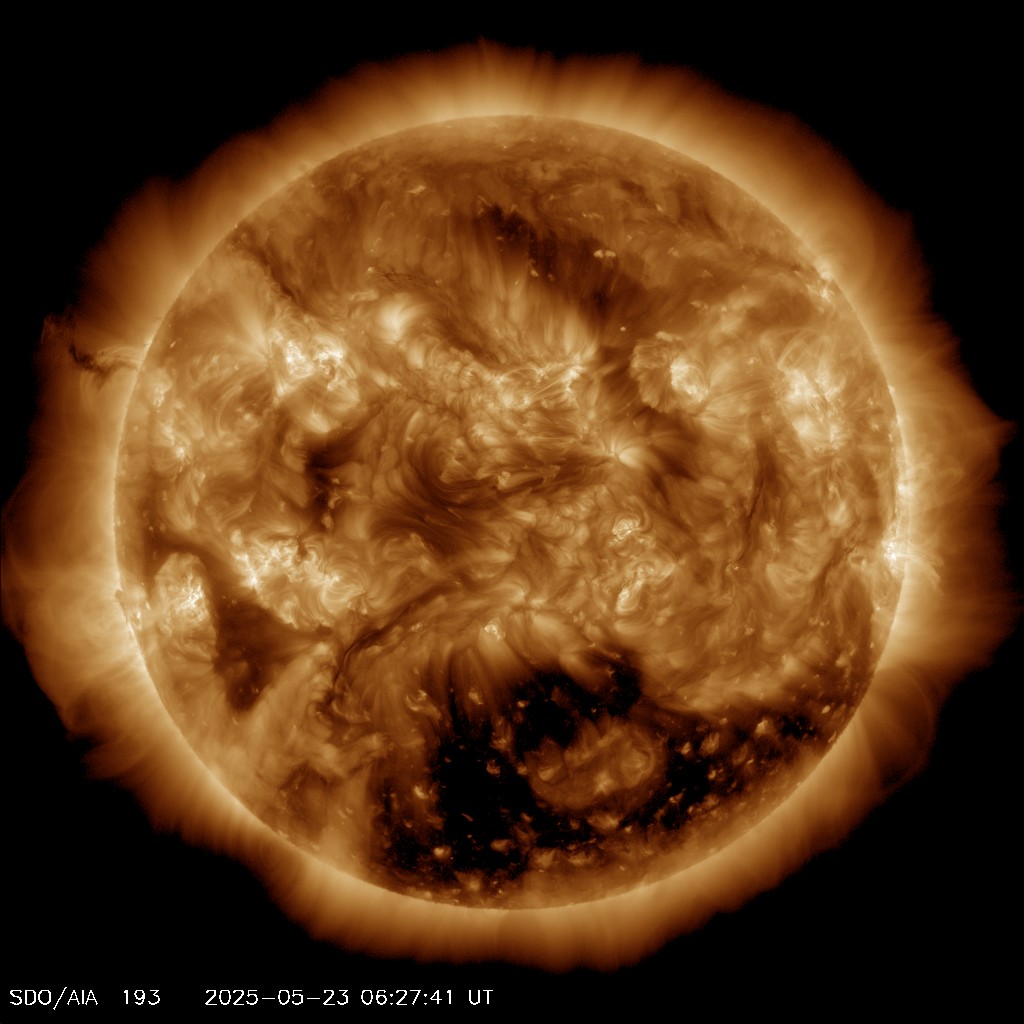
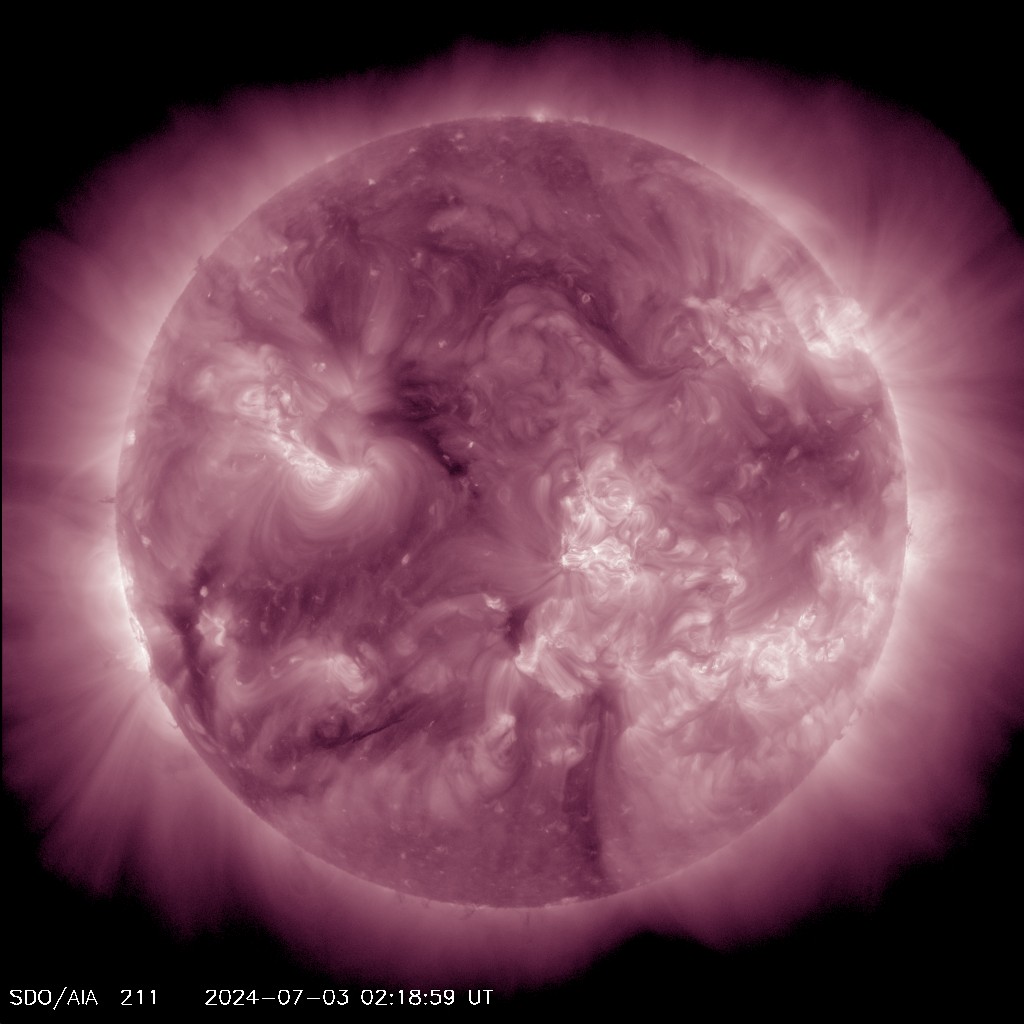
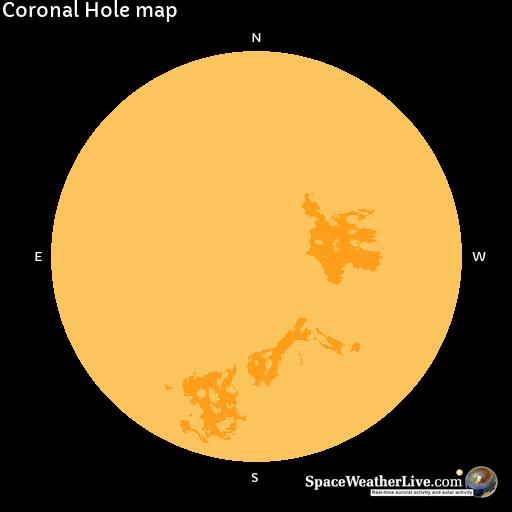
En esta página encontrará toda la información que necesita para detectar cualquier agujero coronal en el disco solar orientado hacia la tierra. Los agujeros coronales son la fuente de corrientes de viento solar rápidas que a veces tienen el potencial de producir tormentas geomagnéticas de menores a moderadas. Si nuestro sistema de detección automatizado detectó recientemente un agujero coronal orientado hacia la tierra, también se mencionará en esta página.
SDO/AIA 193
SDO/AIA 211
Mapa de detección de agujeros coronales
Últimas noticias
G3 geomagnetic storm watch for 4 and 5 June
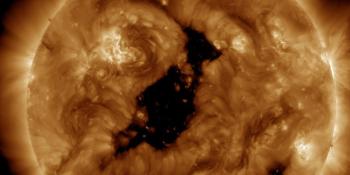
Coronal hole faces Earth
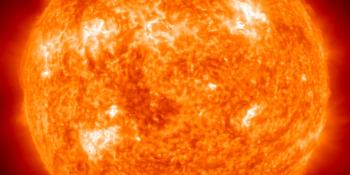
X1.5 solar flare
Últimos mensajes del foro
Apoye a SpaceWeatherLive.com!
A lot of people come to SpaceWeatherLive to follow the Solar activity or if there is a chance to see the aurora, but with more traffic comes higher costs to keep the servers online. If you like SpaceWeatherLive and want to support the project you can choose a subscription for an ad-free site or consider a donation. With your help we can keep SpaceWeatherLive online!


Hechos clima espacial
| Último evento clase X | 03/06/2026 | X1.0 |
| Último evento clase M | 21/06/2026 | M6.9 |
| Últimas tormentas geomagnéticas | 11/06/2026 | Kp5 (G1) |
| Días sin manchas | |
|---|---|
| Last 365 days | 3 días |
| 2026 | 3 días (2%) |
| Último día sin manchas | 24/02/2026 |
| Promedio de manchas solares mensuales | |
|---|---|
| mayo 2026 | 101.4 +22.1 |
| junio 2026 | 98.3 -3.1 |
| Last 30 days | 108.1 +9.3 |