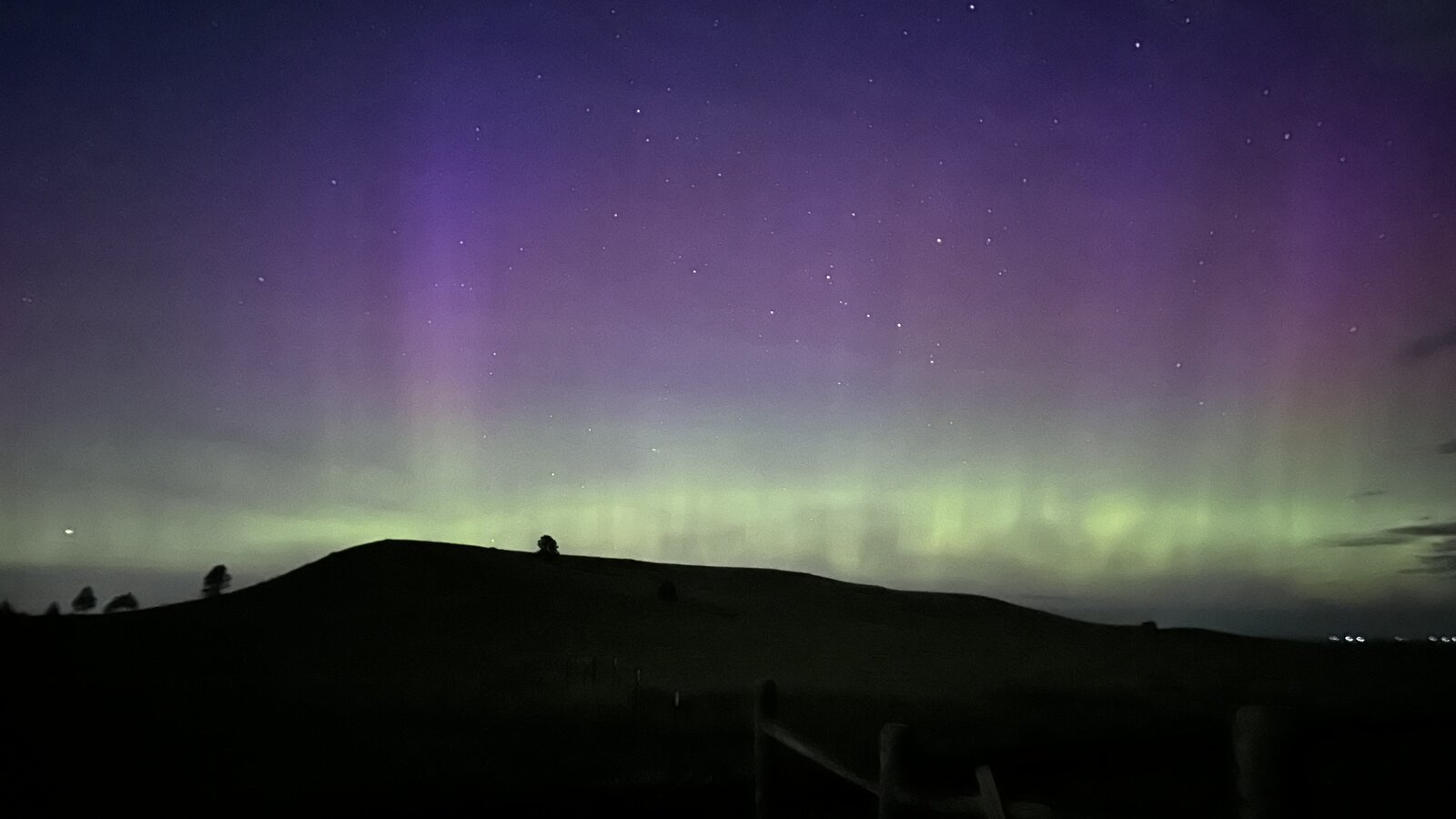
M2.7 solar flare, CME arrival possible
wtorek, 17 marca 2026 15:29 UTC
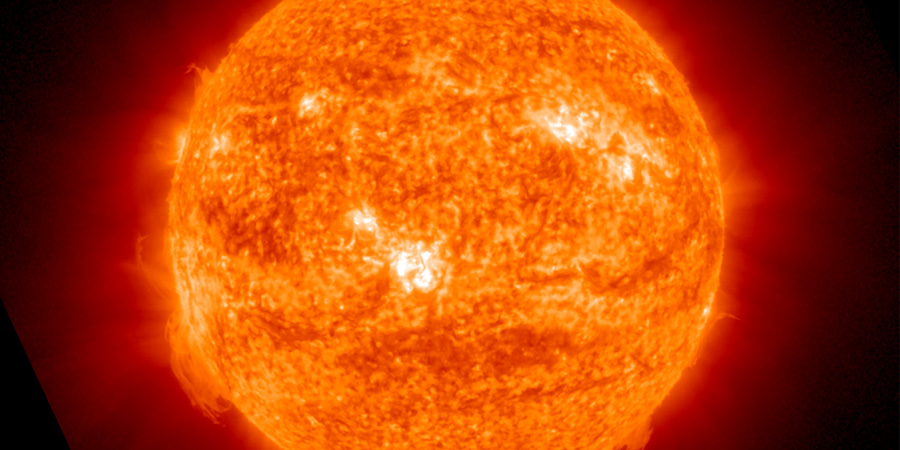
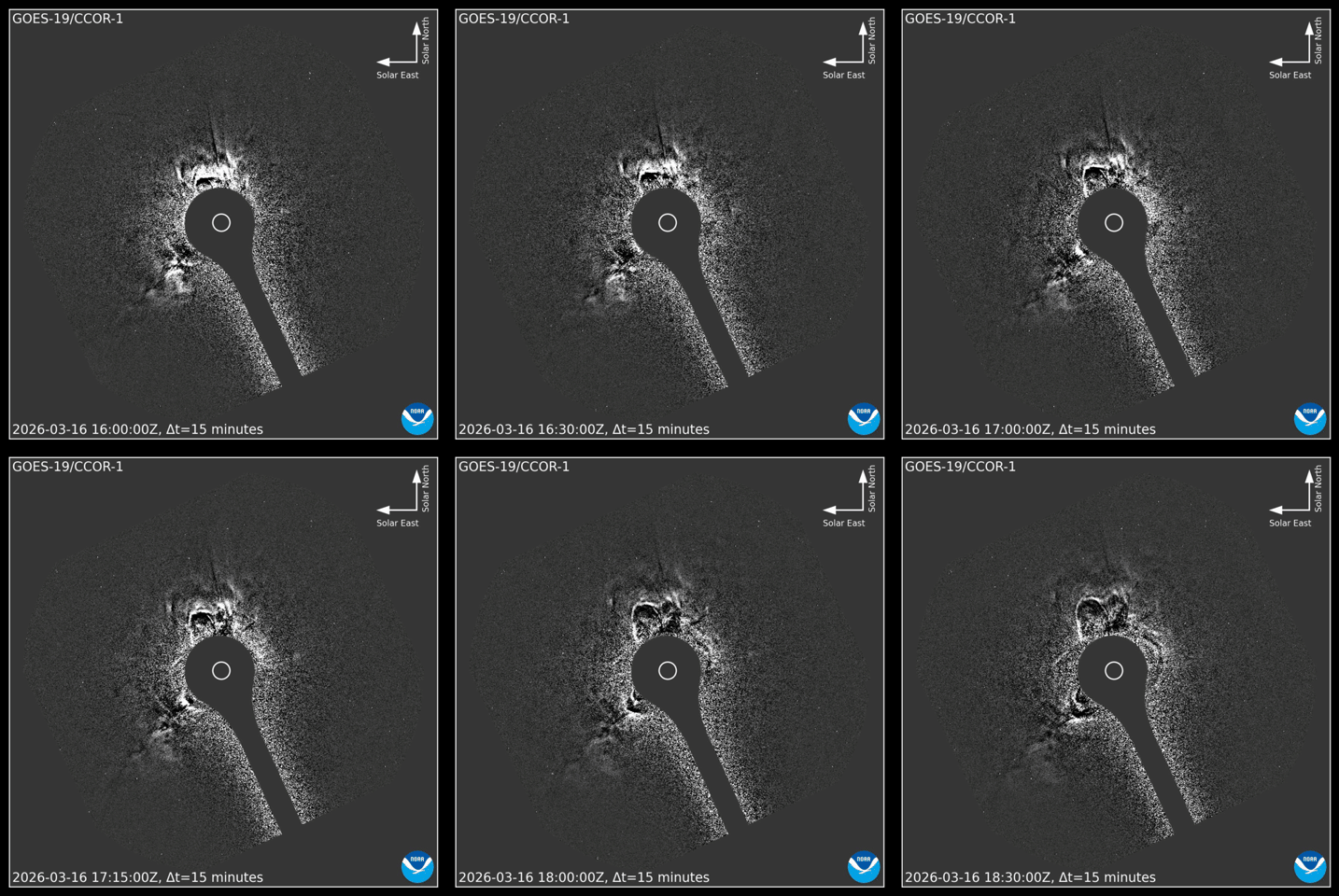
A slow asymmetrical halo coronal mass ejection (CME) was launched yesterday during an M2.7 solar flare. Sunspot region 4392 near the central meridian was the source of the eruption.
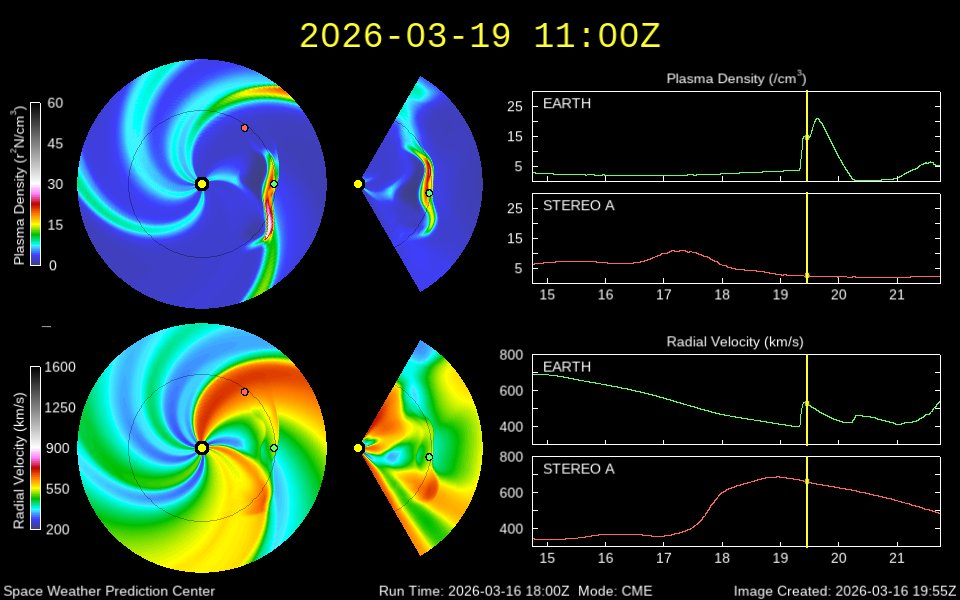
NOAA's ENLIL solar wind model calls for an impact around noon on Thursday (19 March) and a moderate G2 geomagnetic storm watch has been issued for the same day. This might be optimistic as the SIDC calls for an arrival late on Thursday which seems more plausible considering how slow the CME was at launch (550km/s). A moderate G2 storm watch also seems a bit on the optimistic side based on it's slow speed and faint outline but we hope to be surprised.
Thank you for reading this article! Did you have any trouble with the technical terms used in this article? Our help section is the place to be where you can find in-depth articles, a FAQ and a list with common abbreviations. Still puzzled? Just post on our forum where we will help you the best we can!
Najnowsze wiadomości
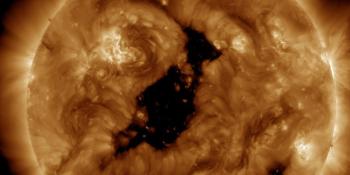
Coronal hole faces Earth
X1.5 solar flare
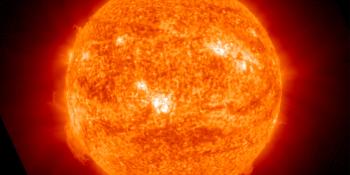
M2.7 solar flare, CME arrival possible
Najnowsze wiadomości z forum
Wesprzyj SpaceWeatherLive.com!
Wiele ludzi odwiedza stronę SpaceWeatherLive, aby śledzić aktywność słońca lub czy jest szansa na zobaczenie zorzy, ale większy ruch powoduje większe koszty utrzymania serwerów. Jeżeli podoba ci się strona SpaceWeatherLive i chciałbyś/chciałabyś wesprzeć ten projekt to możesz kupić subskrypcje aby uzyskać dostęp do strony bez reklam lub kupić darowiznę. Dzięki waszej pomocy, pomagacie utrzymać serwery SpaceWeatherLive!



Fakty na temat pogody kosmicznej
| Ostatnie rozbłyski klasy X | 2026/06/03 | X1.0 |
| Ostatnie rozbłyski klasy M | 2026/06/03 | M7.9 |
| Ostatnia burza geomagnetyczna | 2026/05/16 | Kp6- (G2) |
| Dni bez plam słonecznych | |
|---|---|
| Ostatnie 365 dni | 3 Dni |
| 2026 | 3 Dni (2%) |
| Ostatni dzień bez plamy słonecznej | 2026/02/24 |
| Średnia miesięczna liczba plam słonecznych | |
|---|---|
| kwietnia 2026 | 79.3 -6.6 |
| czerwca 2026 | 139.5 +60.2 |
| Ostatnie 30 dni | 97.8 +5.2 |