M2.7 solar flare, CME arrival possible
Tuesday, 17 March 2026 15:29 UTC
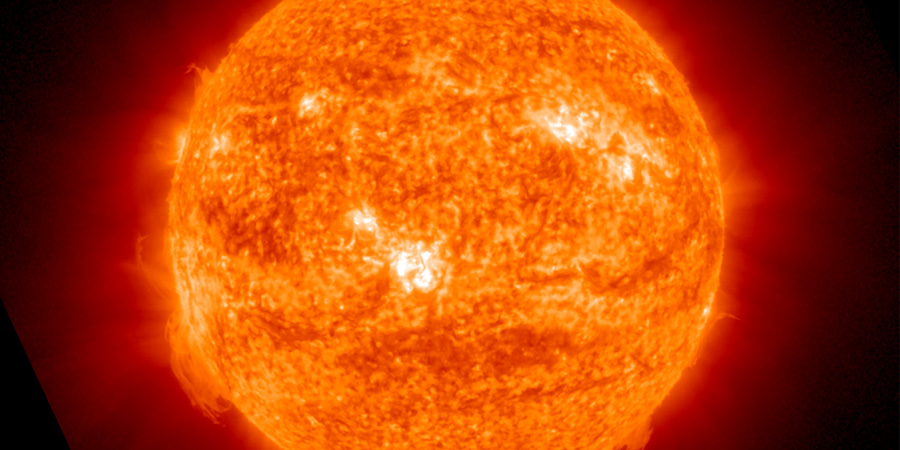
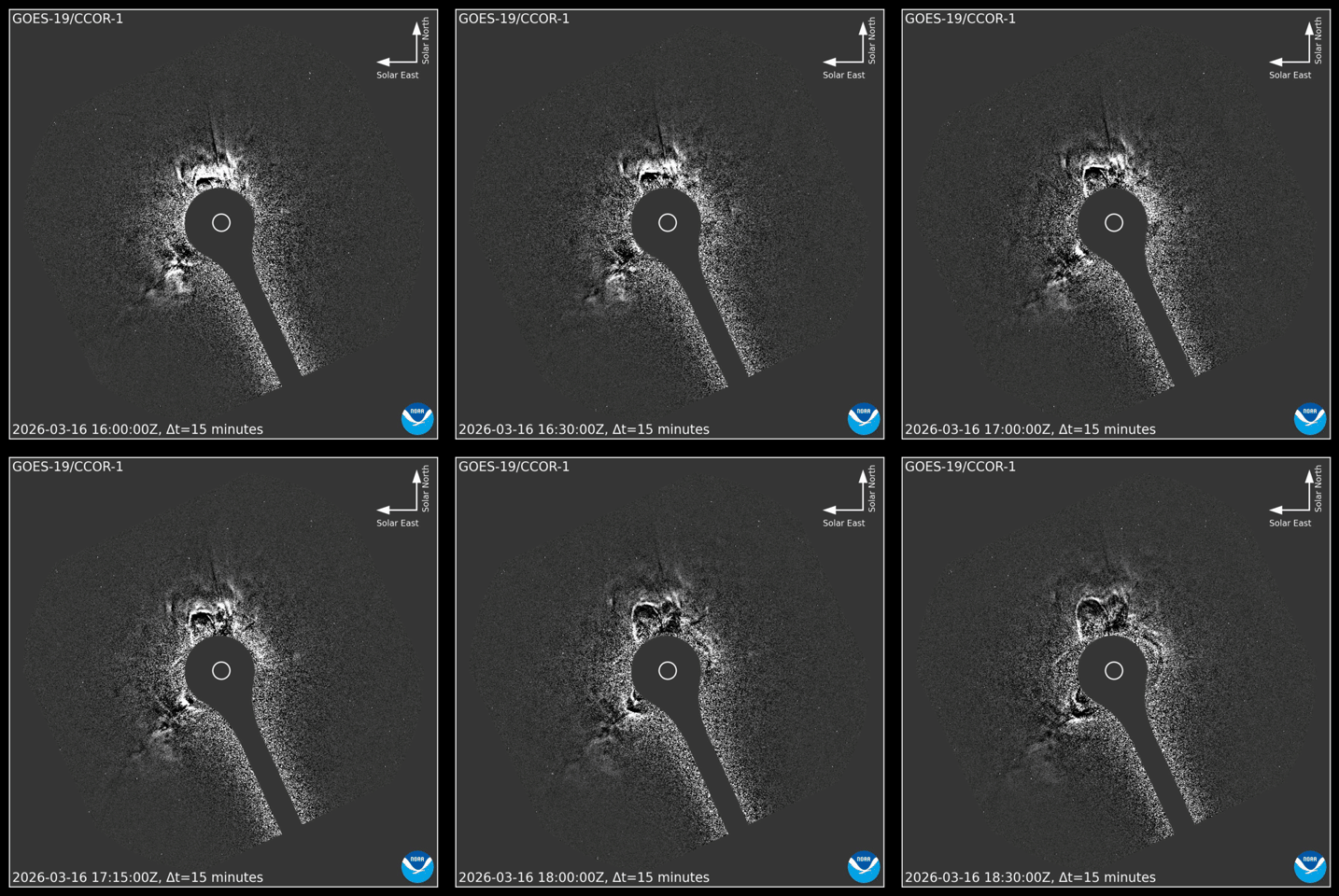
A slow asymmetrical halo coronal mass ejection (CME) was launched yesterday during an M2.7 solar flare. Sunspot region 4392 near the central meridian was the source of the eruption.
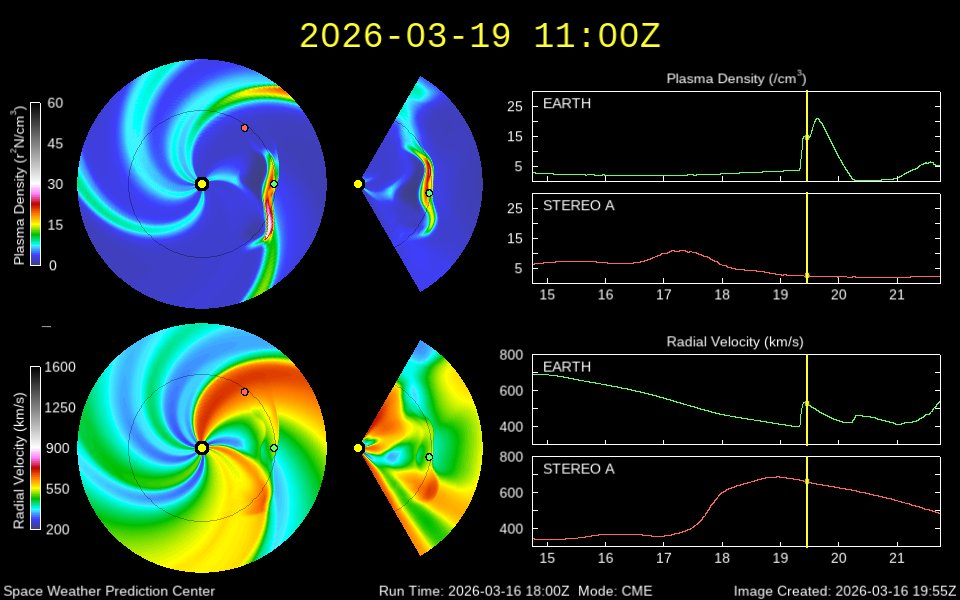
NOAA's ENLIL solar wind model calls for an impact around noon on Thursday (19 March) and a moderate G2 geomagnetic storm watch has been issued for the same day. This might be optimistic as the SIDC calls for an arrival late on Thursday which seems more plausible considering how slow the CME was at launch (550km/s). A moderate G2 storm watch also seems a bit on the optimistic side based on it's slow speed and faint outline but we hope to be surprised.
Thank you for reading this article! Did you have any trouble with the technical terms used in this article? Our help section is the place to be where you can find in-depth articles, a FAQ and a list with common abbreviations. Still puzzled? Just post on our forum where we will help you the best we can!
Latest news
G3 geomagnetic storm watch for 4 and 5 June
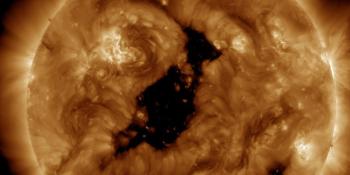
Coronal hole faces Earth
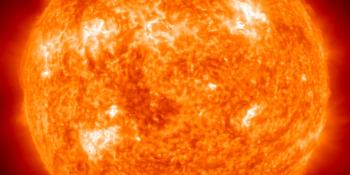
X1.5 solar flare
Latest forum messages
Support SpaceWeatherLive.com!
A lot of people come to SpaceWeatherLive to follow the Solar activity or if there is a chance to see the aurora, but with more traffic comes higher costs to keep the servers online. If you like SpaceWeatherLive and want to support the project you can choose a subscription for an ad-free site or consider a donation. With your help we can keep SpaceWeatherLive online!



Space weather facts
| Last X-flare | 2026/06/03 | X1.0 |
| Last M-flare | 2026/06/20 | M1.3 |
| Last geomagnetic storm | 2026/06/11 | Kp5 (G1) |
| Spotless days | |
|---|---|
| Last 365 days | 3 days |
| 2026 | 3 days (2%) |
| Last spotless day | 2026/02/24 |
| Monthly mean Sunspot Number | |
|---|---|
| May 2026 | 101.4 +22.1 |
| June 2026 | 102.1 +0.7 |
| Last 30 days | 107.9 +9.7 |