Latest news updates Subscribe
M8.2 solar flare, Strong G4 geomagnetic storm watch
samedi, 31 mai 2025 18:11 UTC
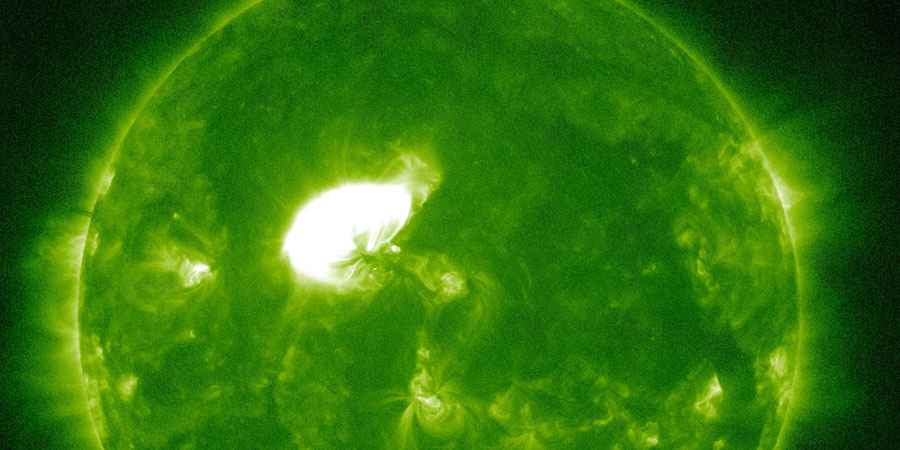
Wow! Major solar fireworks today. Charge your camera batteries and put on your finest jacket for tomorrow night as strong (G3) or perhaps even severe (G4) geomagnetic storm conditions are possible tomorrow evening (1 June) into 2 June. The center of attention today was sunspot region 4100 which produced a gorgeous long duration M8.2 solar flare today (R2-moderate) peaking at 00:05 UTC. This region is close to the center of the Earth-facing solar disk and launched a major asymmetrical full halo (as seen by SOHO/LASCO) coronal mass ejection in space with a pretty much guaranteed earth-directed component.
Another X-flare! Potent sunspot region 4087!
mercredi, 14 mai 2025 19:36 UTC
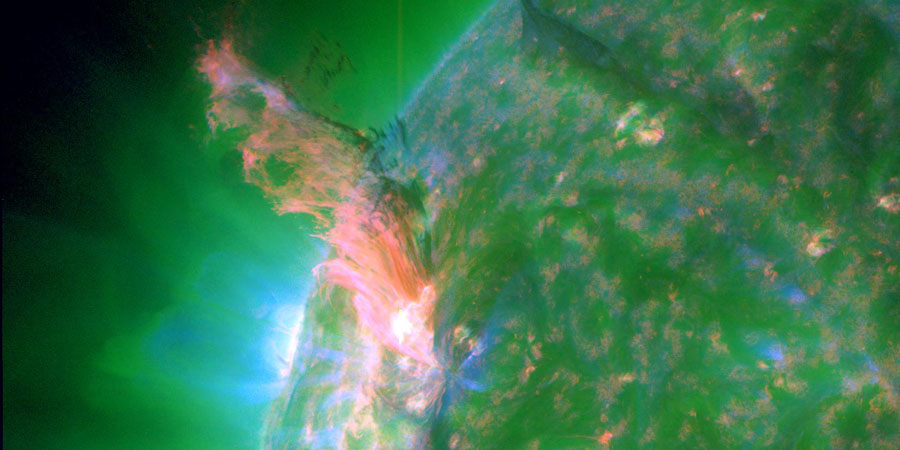
Wow! We go from a period with hardly any solar activity worth mentioning to two X-class solar flares in two days!
X1.1 solar flare from sunspot region 4086
mardi, 13 mai 2025 15:57 UTC

Solar activity has been relatively quiet for weeks now but that came to an abrupt end today as departing sunspot region 4086 which is now close to the west limb produced an X1.1 solar flare (R3-strong radio blackout) that peaked at 15:37 UTC.
CME arrival, G3 storm watch
mardi, 15 avril 2025 17:55 UTC
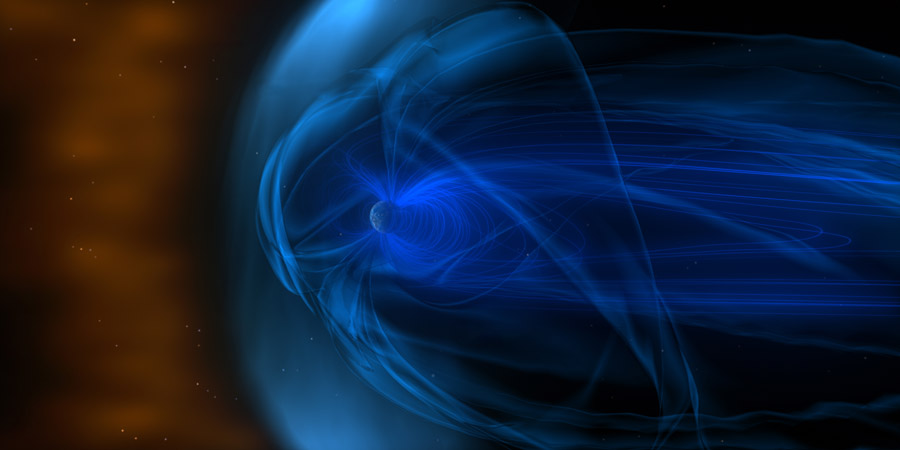
A coronal mass ejection has arrived at our planet. This is the first of possibly two coronal mass ejections that were expected to arrive from filament eruptions on April 12 and 13. The minor G1 geomagnetic storm threshold has already been reached and the NOAA SWPC has a strong G3 geomagnetic storm watch in place for tomorrow, 16 April. Keep an eye on the data here on this website in the hours ahead. There is more action to come!
X1.1 solar flare
vendredi, 28 mars 2025 18:06 UTC
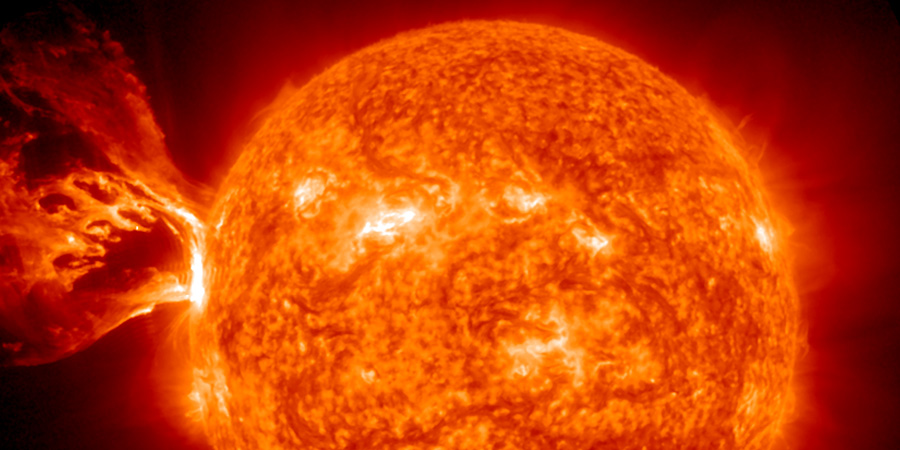
We have only just started to relax following the moderate G2 geomagnetic storm conditions from a massive coronal hole and suddenly... bam... our Sun surprises us all with a X1.1 solar flare (R3-strong) that came from sunspot region 4046 which is just rotating into view on the east limb.
Coronal hole faces Earth
lundi, 24 mars 2025 16:59 UTC
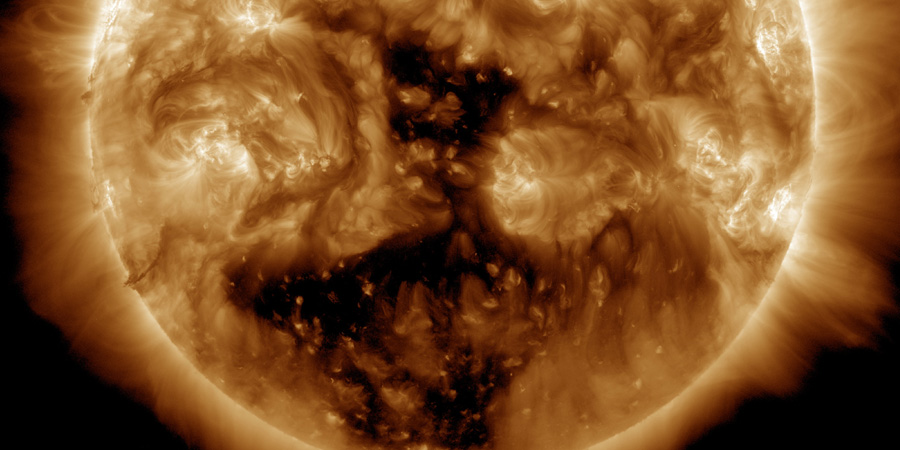
The anticipated strong G3 geomagnetic storm watch never materialized as the coronal mass ejection that was supposed to arrive early yesterday didn't arrive until today just past midnight UTC. The impact was very lackluster with the Bt (total strength of the IMF) increasing to a moderate 15nT at best and the solar wind speed reaching just 420km/s. A far cry from the anticipated 700 to 800km/s. That once again goes to show how hard it is to forecast space weather events and any resulting geomagnetic conditions. We remain under the influence of the CME and high latitude sky watchers should remain alert for some nice aurora displays but middle latitude sky watchers will probably have to wait for the next opportunity.
Strong G3 geomagnetic storm watch for 23 March
samedi, 22 mars 2025 17:58 UTC
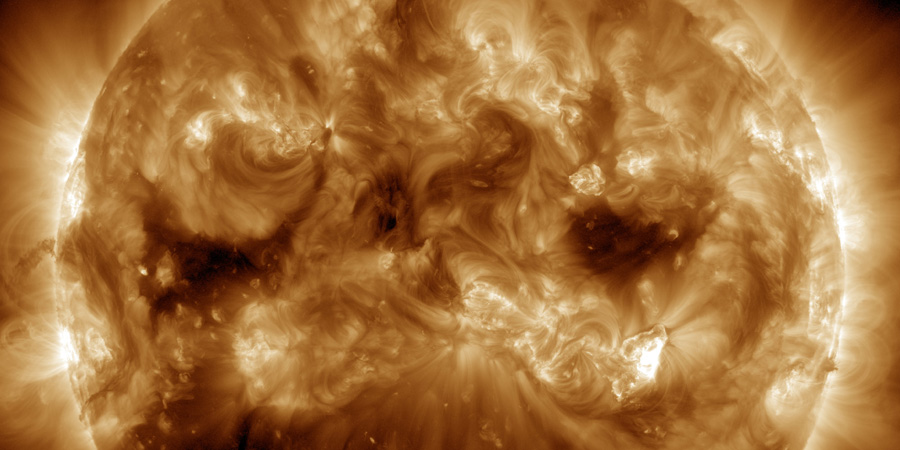
Yesterday around 16 UTC an M1.2 solar flare took place around sunspot region 4028. The solar flare triggered a filament eruption which erupted from the center of the earth-facing solar disk.
Coronal hole faces Earth
mercredi, 5 mars 2025 21:47 UTC

A coronal hole is facing our planet today which is sending a high speed solar wind stream towards us which could cause enhanced geomagnetic conditions (and thus aurora!) in the days ahead.
X2.0 solar flare from sunspot region 4001
dimanche, 23 février 2025 19:55 UTC
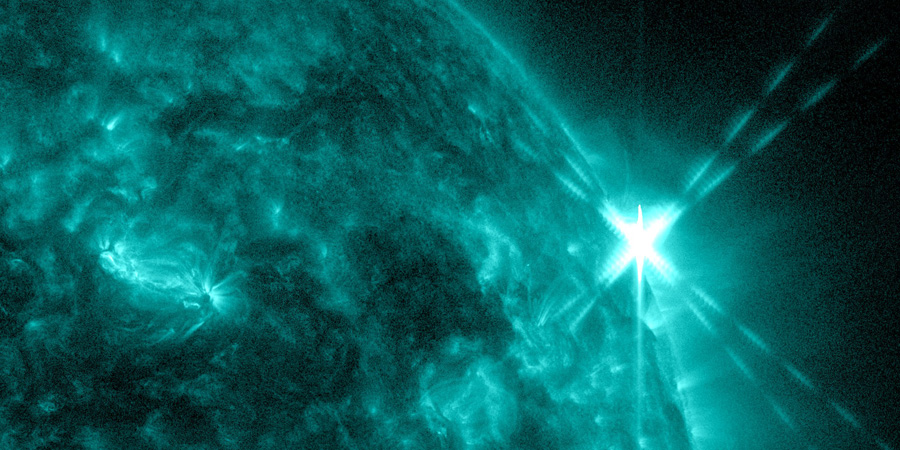
It has been 53 long days but we have finaly seen another X-class solar flare coming from the Sun today. Sunspot region 3947 produced an X1.8 solar flare on 4th of January and since that day... silence... but today departing sunspot region 4001 produced an X2.0 solar flare.
Coronal hole faces Earth, Minor G1 geomagnetic storm watch
vendredi, 7 février 2025 19:26 UTC
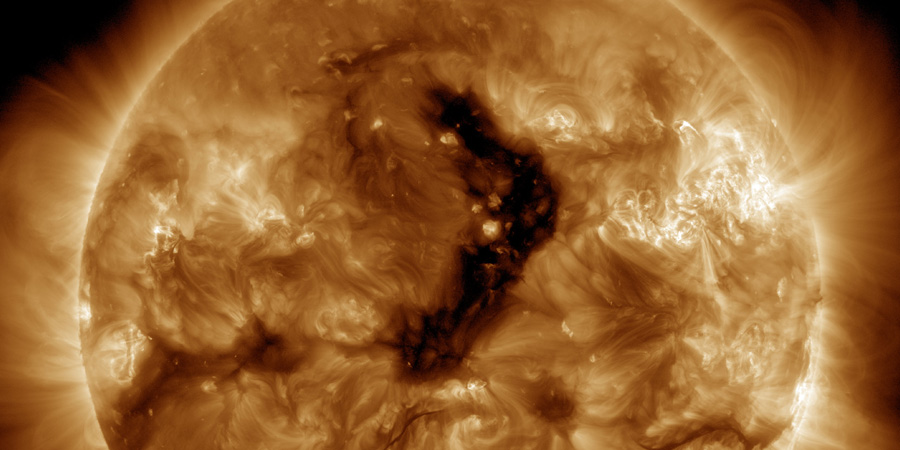
Geomagnetic conditions have been relativity quiet lately with no strong geomagnetic storms to speak of. Coronal holes are however making a return and we are seeing them more regularly appearing and influencing the weather in space around Earth and thus the aurora dancing above our heads.
Dernières nouvelles
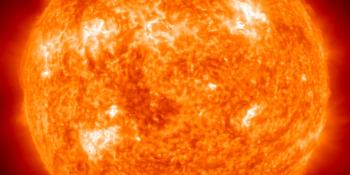
X1.5 solar flare
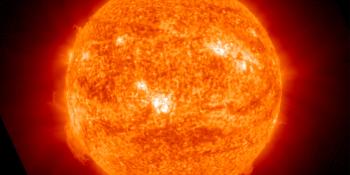
M2.7 solar flare, CME arrival possible
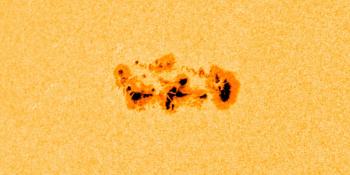
Complex sunspot region 4366
Forum
Aidez SpaceWeatherLive.com !
De nombreuses personnes consultent SpaceWeatherLive pour suivre l'activité solaire ou observer les aurores boréales, mais l'augmentation du trafic engendre des coûts plus élevés pour maintenir les serveurs en ligne. Si vous appréciez SpaceWeatherLive et souhaitez soutenir le projet, vous pouvez vous abonner pour un site sans publicité ou faire un don. Grâce à votre aide, SpaceWeatherLive restera accessible !



La Météo Spatiale en faits
| Dernière classe X | 30/03/2026 | X1.5 |
| Dernière classe M | 04/04/2026 | M7.6 |
| Dernier orage géomagnétique | 02/04/2026 | Kp6- (G2) |
| Jours sans taches solaires | |
|---|---|
| 365 derniers jours | 3 jours |
| 2026 | 3 jours (3%) |
| Dernier jour sans taches solaires | 24/02/2026 |
| Nombre mensuel moyen de taches solaires | |
|---|---|
| mars 2026 | 85.9 +7.7 |
| avril 2026 | 141 +55.1 |
| 30 derniers jours | 95.4 +31.2 |