X1.9 solar flare with earth-directed CME
Sonntag, 18 Januar 2026 21:12 UTC
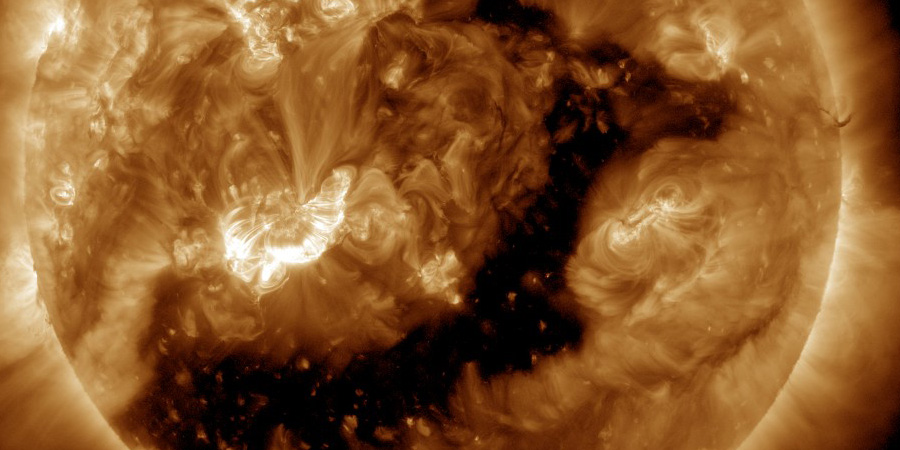
A long duration X1.95 solar flare (R3-strong) has peaked today at 18:09 UTC which came from sunspot region 4341. This region is located close to the center of the earth-facing solar disk. Quite a surprise to see such a strong solar flare today we must say!
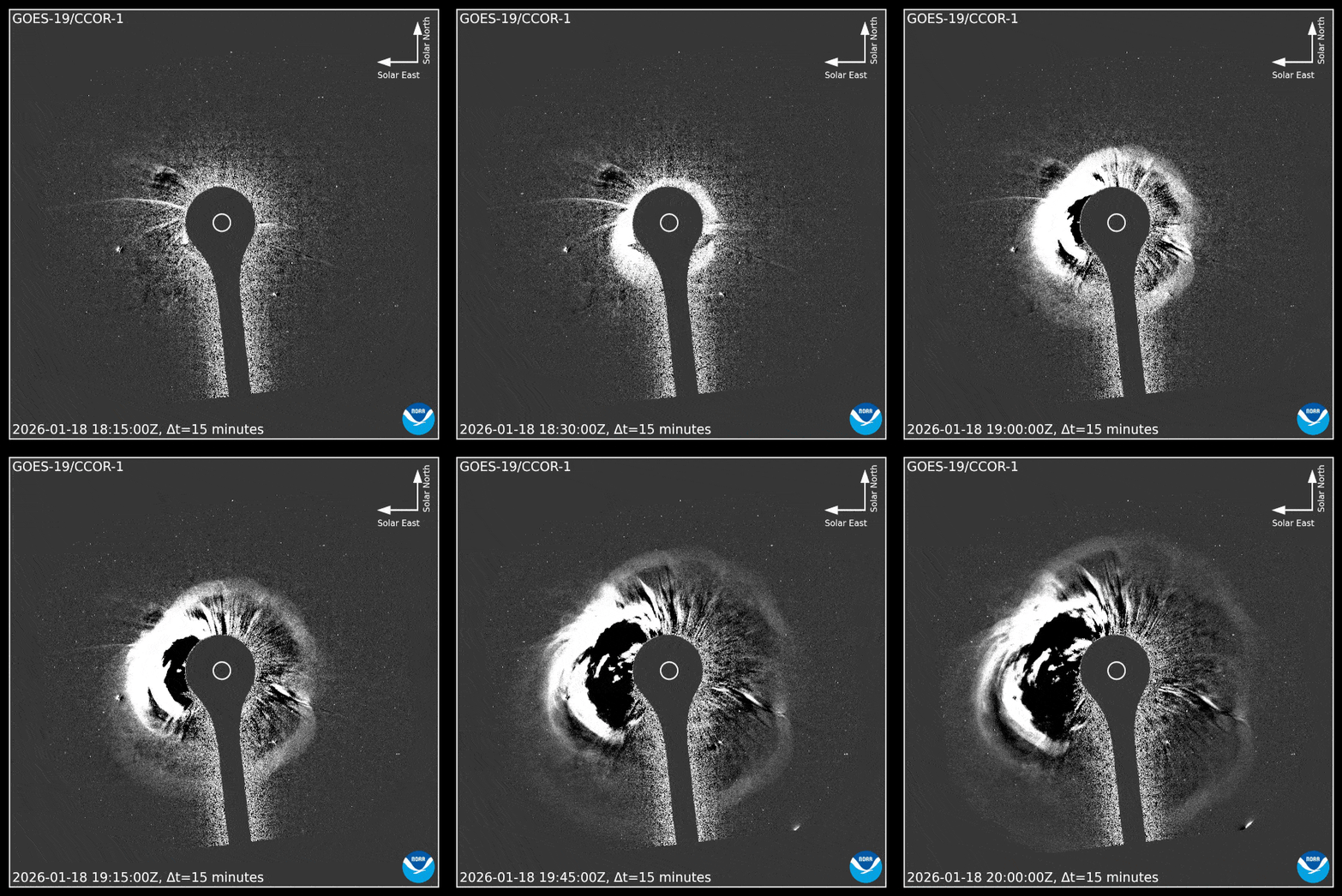
A large coronal mass ejection (CME) was launched during the solar flare and there is not a doubt that it is earth-directed as we can clearly see a full halo outline as the CME expands away from the Sun. We do have to say that the bulk of the ejecta is heading eastwards but the clear halo signature does confirm that there is an earth-directed component which makes it likely that the plasma cloud will arrive at Earth. There has not been any official forecasts made available for this event at the time of writing this post but I would expect a warning for possible strong G3 geomagnetic storm conditions to be issued in the hours ahead but even severe G4 geomagentic storm conditions should not be excluded purely based on the available coronagraph images.
Coronal hole
A coronal hole solar wind stream is also in the mix here as a large coronal hole is facing our planet currently. How this will influence the CME as it travels towards our planet is unclear but expect a lot of geomagnetic activity in the days ahead. Exciting!
A transequatorial coronal hole is facing Earth. Enhanced solar wind could arrive in ~3 days - Follow live on https://t.co/bsXLidnzGh pic.twitter.com/7PCBXjNWNK
— SpaceWeatherLive (@_SpaceWeather_) January 17, 2026
Thank you for reading this article! Did you have any trouble with the technical terms used in this article? Our help section is the place to be where you can find in-depth articles, a FAQ and a list with common abbreviations. Still puzzled? Just post on our forum where we will help you the best we can!
Neueste Nachrichten
X1.5 solar flare
M2.7 solar flare, CME arrival possible
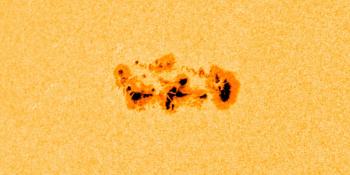
Complex sunspot region 4366
Neue Nachrichten im Forum
Weitere Nachrichten im ForumUnterstützen Sie SpaceWeatherLive!
Viele Menschen nutzen SpaceWeatherLive, um die Sonnenaktivität zu verfolgen oder um zu schauen, ob es eine Chance gibt Polarlichter, zu sehen. Mit zunehmendem Datenverkehr steigen jedoch die Kosten für die Serververfügbarkeit. Wenn Ihnen SpaceWeatherLive gefällt und Sie das Projekt unterstützen möchten, können Sie ein Abonnement für eine werbefreie Website abschließen oder eine Spende tätigen. Mit Ihrer Hilfe können wir SpaceWeatherLive online halten!



Weltraumwetter-Fakten
| Letzte Klasse X-Eruption | 30/03/2026 | X1.5 |
| Letzte Klasse M-Eruption | 28/03/2026 | M1.3 |
| Letzter geomagnetischer Sturm | 25/03/2026 | Kp5+ (G1) |
| Tage ohne Flecken | |
|---|---|
| Letzte 365 Tage | 3 Tage |
| 2026 | 3 Tage (3%) |
| Letzter fleckenlose Tag | 24/02/2026 |
| Monatliche mittlere Sonnenfleckenzahl | |
|---|---|
| Februar 2026 | 78.2 -34.3 |
| Letzte 30 Tage | 90 +16.9 |