M2.7 solar flare, CME arrival possible
Dienstag, 17 März 2026 15:29 UTC
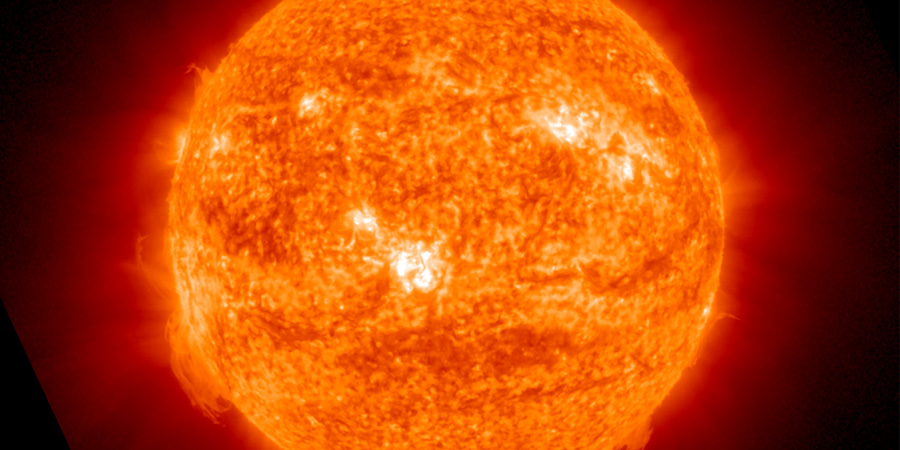
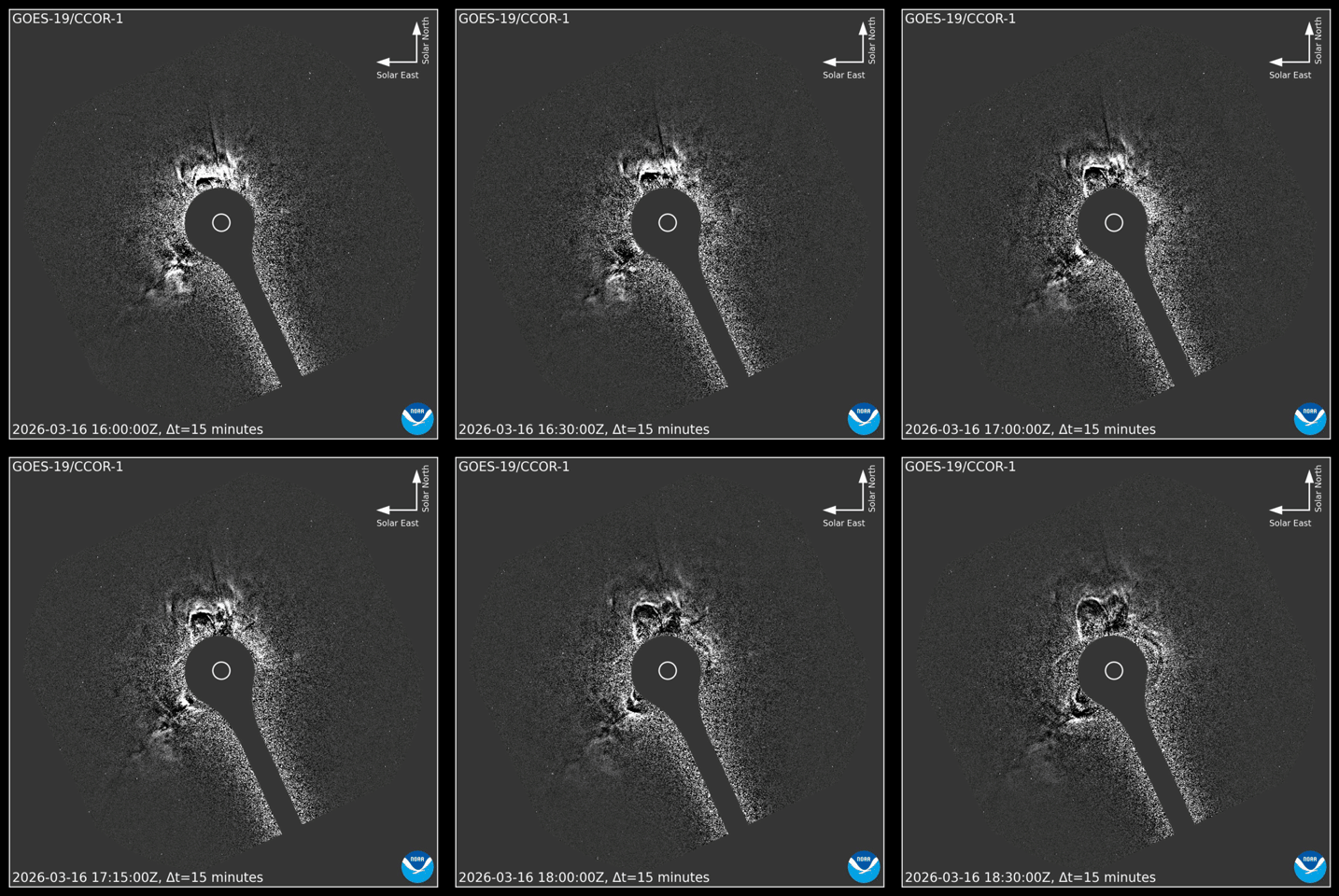
A slow asymmetrical halo coronal mass ejection (CME) was launched yesterday during an M2.7 solar flare. Sunspot region 4392 near the central meridian was the source of the eruption.
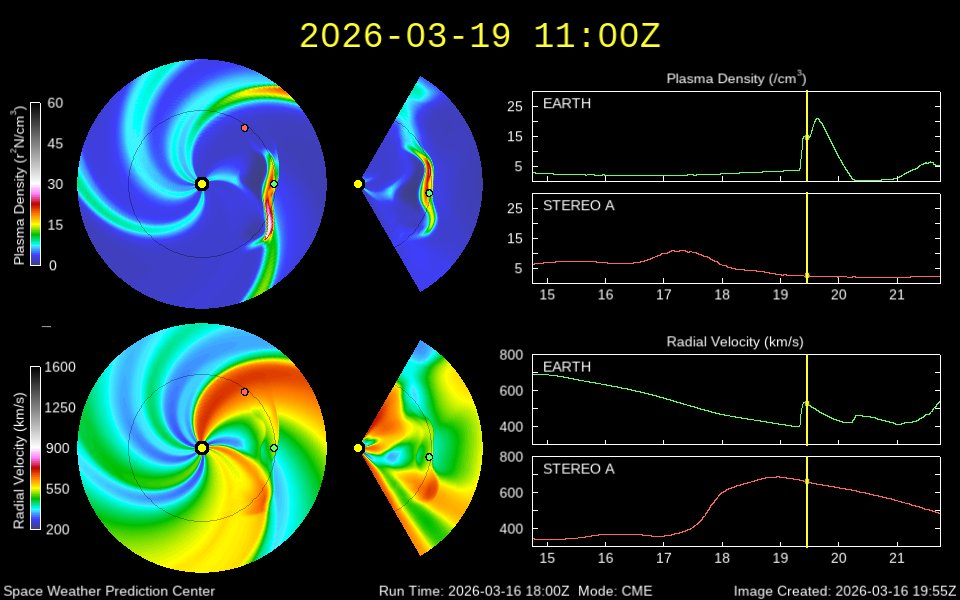
NOAA's ENLIL solar wind model calls for an impact around noon on Thursday (19 March) and a moderate G2 geomagnetic storm watch has been issued for the same day. This might be optimistic as the SIDC calls for an arrival late on Thursday which seems more plausible considering how slow the CME was at launch (550km/s). A moderate G2 storm watch also seems a bit on the optimistic side based on it's slow speed and faint outline but we hope to be surprised.
Thank you for reading this article! Did you have any trouble with the technical terms used in this article? Our help section is the place to be where you can find in-depth articles, a FAQ and a list with common abbreviations. Still puzzled? Just post on our forum where we will help you the best we can!
Neueste Nachrichten
X1.5 solar flare
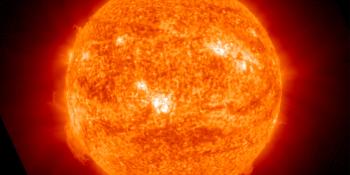
M2.7 solar flare, CME arrival possible
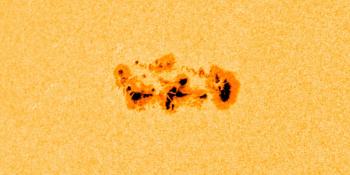
Complex sunspot region 4366
Neue Nachrichten im Forum
Weitere Nachrichten im ForumUnterstützen Sie SpaceWeatherLive!
Viele Menschen nutzen SpaceWeatherLive, um die Sonnenaktivität zu verfolgen oder um zu schauen, ob es eine Chance gibt Polarlichter, zu sehen. Mit zunehmendem Datenverkehr steigen jedoch die Kosten für die Serververfügbarkeit. Wenn Ihnen SpaceWeatherLive gefällt und Sie das Projekt unterstützen möchten, können Sie ein Abonnement für eine werbefreie Website abschließen oder eine Spende tätigen. Mit Ihrer Hilfe können wir SpaceWeatherLive online halten!



Weltraumwetter-Fakten
| Letzte Klasse X-Eruption | 30/03/2026 | X1.5 |
| Letzte Klasse M-Eruption | 28/03/2026 | M1.3 |
| Letzter geomagnetischer Sturm | 25/03/2026 | Kp5+ (G1) |
| Tage ohne Flecken | |
|---|---|
| Letzte 365 Tage | 3 Tage |
| 2026 | 3 Tage (3%) |
| Letzter fleckenlose Tag | 24/02/2026 |
| Monatliche mittlere Sonnenfleckenzahl | |
|---|---|
| Februar 2026 | 78.2 -34.3 |
| Letzte 30 Tage | 90 +16.9 |