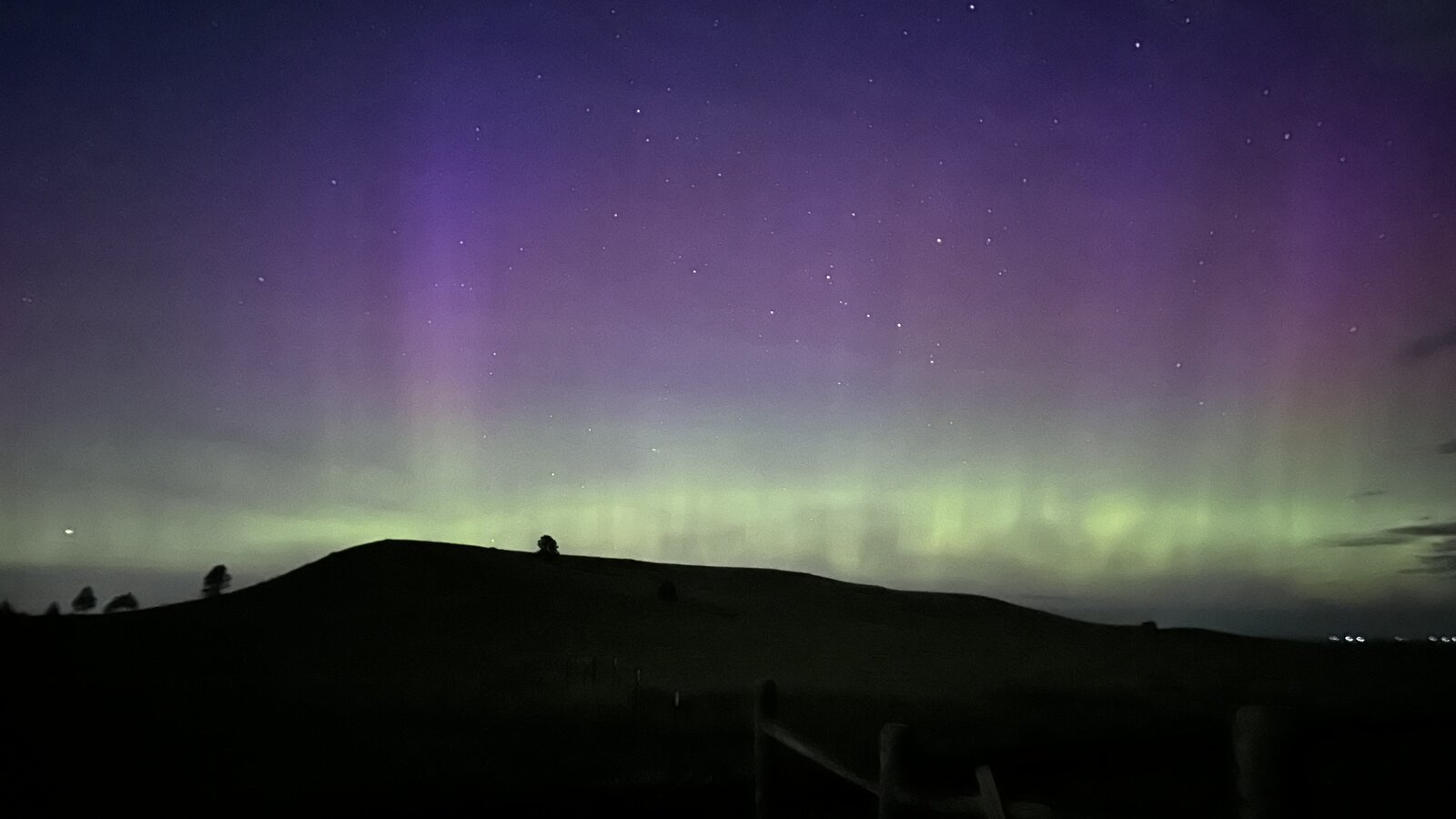
CME impact! S4 solar radiation storm
poniedziałek, 19 stycznia 2026 20:41 UTC
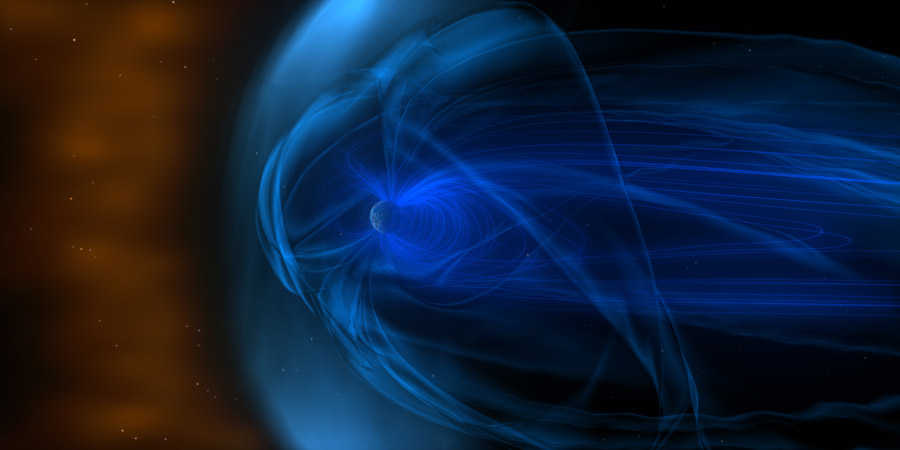
Impact! We just saw the arrival of the coronal mass ejection that was launched during yesterday's X1.9 solar flare. This means it took the CME only 25 hours to travel from the Sun to Earth. That is fast considering most CMEs take two to four days to travel this distance!
Severe G4 geomagnetic storm conditions have been reached and aurora has been spotted from the Netherlands and Germany already. We do expect to reach Extreme G5 geomagnetic storm conditions based on the current data which means aurora might be seen from locations like France and even Italy in the hours ahead. The USA will also need to be on high alert if these conditions persist as aurora sightings might be possible from locations like Nevada, Utah and even Florida and Texas with a bit of luck!
S4 solar radiation storm
This event is already historic as we are currently in a severe S4 solar radiation storm. This is the first time since the famous 2003 Halloween event that we crossed the severe S4 threshold and the 3rd strongest radiation storm since measurements began. Do read our help article on solar radiation storms as S4 solar radiation storms do cause some issues for satellite operators and HF radio for example. We also can not use the real-time solar wind data from the ACE spacecraft (currently active) as it starts to have issues at the S2 level and higher. IMF parameters (Bt, Bz) are reliable so use these values instead but it is safe to say that the solar wind speed is well above 1.000km/s right now.
Do note that this false solar wind data means that the OVATION aurora map model is not accurate as it takes solar wind data to draw the oval on the map. ACE solar wind data might be reliable again at the S1 or S2 level.
We are also having issues with the Kp alerts and the Kp data on the website. We are working on a solution.
Don't forget to add your observations!
Thank you for reading this article! Did you have any trouble with the technical terms used in this article? Our help section is the place to be where you can find in-depth articles, a FAQ and a list with common abbreviations. Still puzzled? Just post on our forum where we will help you the best we can!
Najnowsze wiadomości
Coronal hole faces Earth
X1.5 solar flare
M2.7 solar flare, CME arrival possible
Najnowsze wiadomości z forum
Wesprzyj SpaceWeatherLive.com!
Wiele ludzi odwiedza stronę SpaceWeatherLive, aby śledzić aktywność słońca lub czy jest szansa na zobaczenie zorzy, ale większy ruch powoduje większe koszty utrzymania serwerów. Jeżeli podoba ci się strona SpaceWeatherLive i chciałbyś/chciałabyś wesprzeć ten projekt to możesz kupić subskrypcje aby uzyskać dostęp do strony bez reklam lub kupić darowiznę. Dzięki waszej pomocy, pomagacie utrzymać serwery SpaceWeatherLive!



Fakty na temat pogody kosmicznej
| Ostatnie rozbłyski klasy X | 2026/06/03 | X1.0 |
| Ostatnie rozbłyski klasy M | 2026/06/03 | M7.9 |
| Ostatnia burza geomagnetyczna | 2026/05/16 | Kp6- (G2) |
| Dni bez plam słonecznych | |
|---|---|
| Ostatnie 365 dni | 3 Dni |
| 2026 | 3 Dni (2%) |
| Ostatni dzień bez plamy słonecznej | 2026/02/24 |
| Średnia miesięczna liczba plam słonecznych | |
|---|---|
| kwietnia 2026 | 79.3 -6.6 |
| czerwca 2026 | 139.5 +60.2 |
| Ostatnie 30 dni | 97.8 +5.2 |