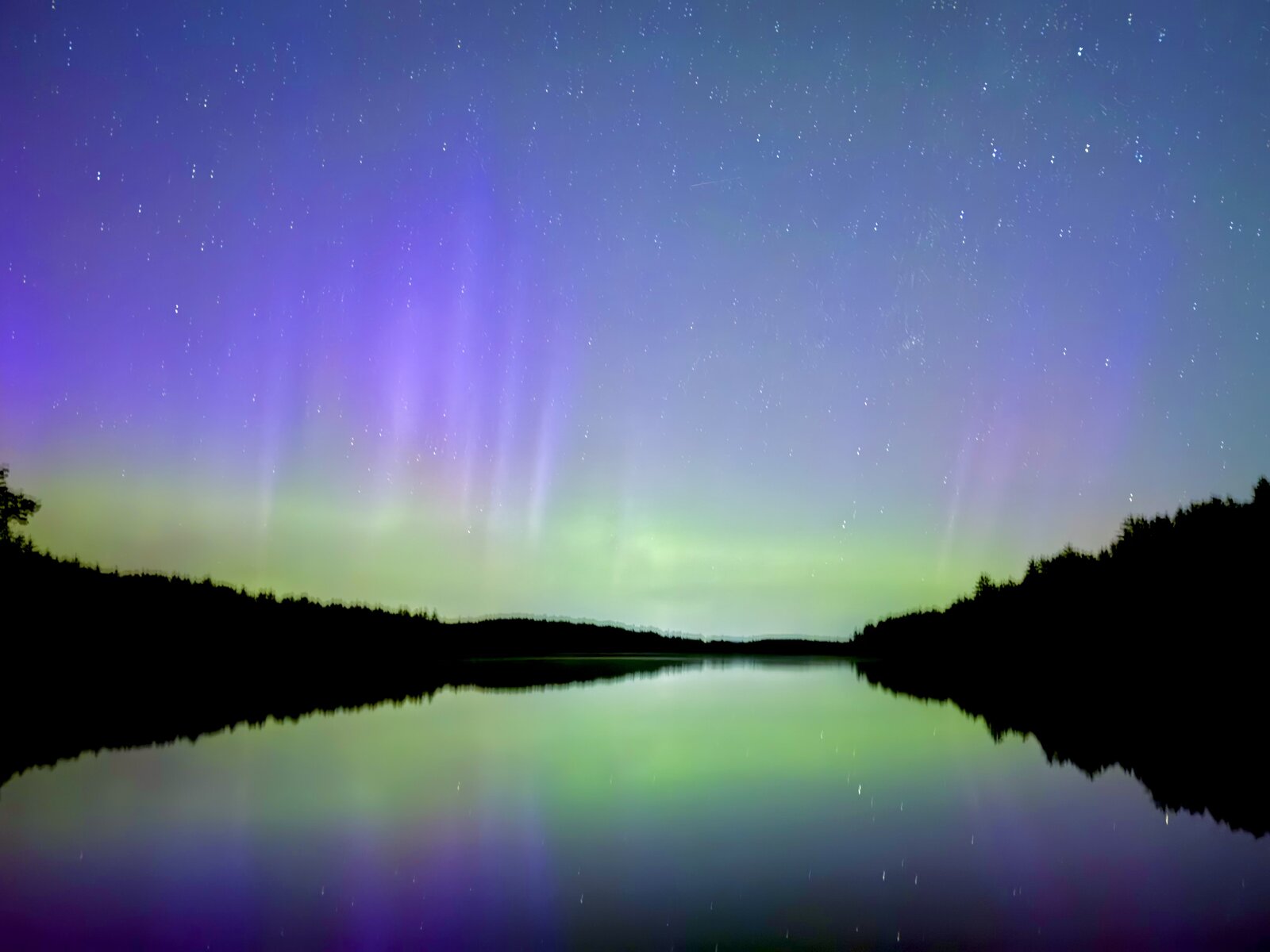
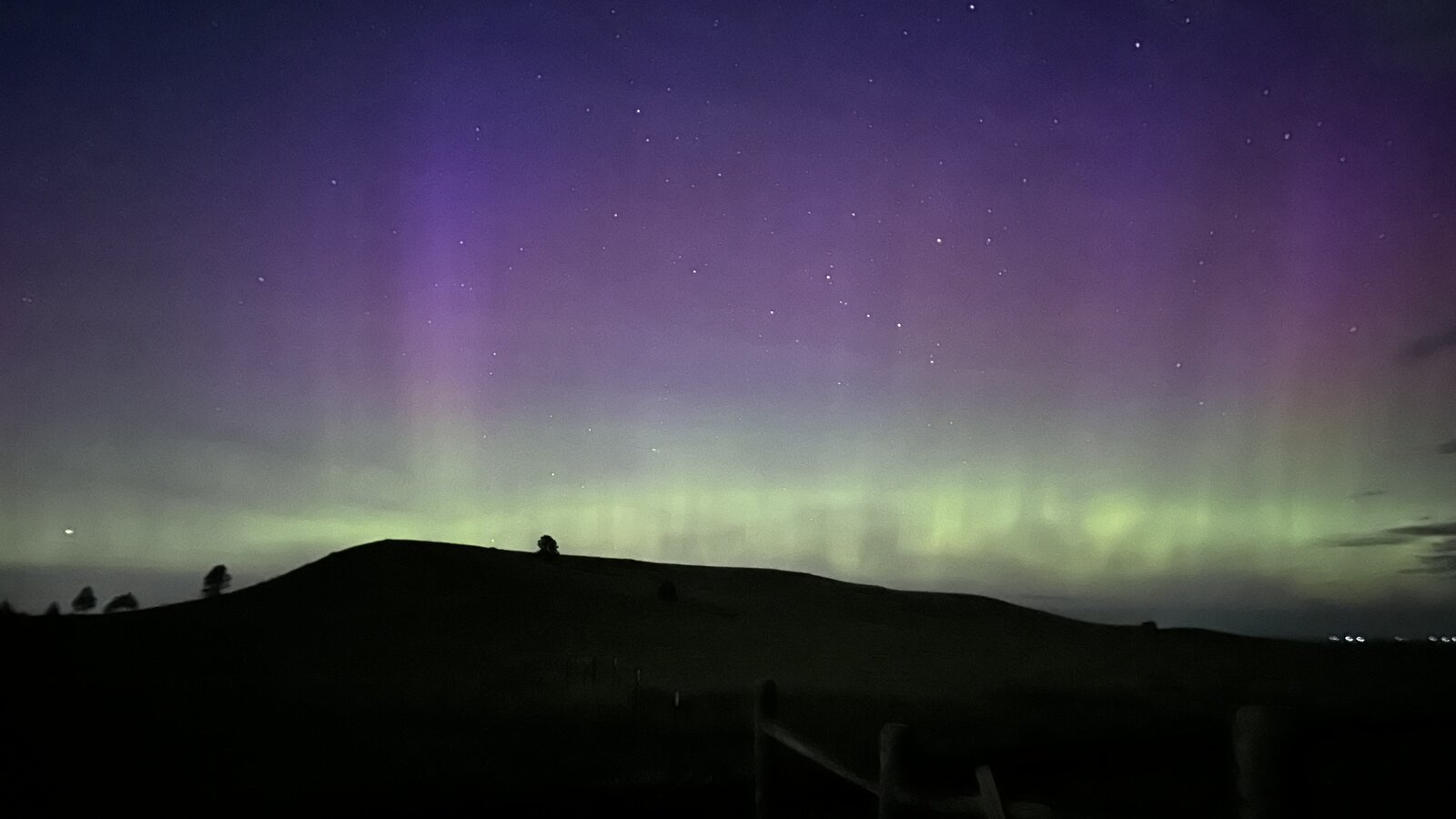
Indeks Kp
The Kp-index is the global geomagnetic activity index that is based on 3-hour measurements from ground-based magnetometers around the world. Each station is calibrated according to its latitude and reports a certain K-indice depending on the geomagnetic activity measured at the location of the magnetometer. The K-index itself is a three hour long quasi-logarithmic local index of the geomagnetic activity at the given location and time compared to a calm day curve. A magnetometer measures the maximum deviation of the horizontal component of the magnetic field at its location and reports this. The global Kp-index is then determined with an algorithm that puts the reported K-values of every station together. The Kp-index ranges from 0 to 9 where a value of 0 means that there is very little geomagnetic activity and a value of 9 means extreme geomagnetic storming.
The Estimated 3-hour Planetary Kp-index
The Estimated 3-hour Planetary Kp-index is a preliminary Kp-index derived at the NOAA Space Weather Prediction Center using minute by minute data from a number of ground-based magnetometers that relay data in near-real time. These observatories are located in the United States, Canada, the United Kingdom, Germany and Australia.
The Estimated 3-hour Planetary Kp-index gives us a quick indication of the strongest observed geomagnetic activity over a 3-hour period. These periods are: 0000-0300 UTC, 0300-0600 UTC, etc. The maximum positive and negative deviations during the 3-hour period are added together to determine the total maximum fluctuation. These maximum deviations may occur anytime during the 3-hour period. During periods with high geomagnetic activity, the NOAA Space Weather Prediction Center will send out alerts based on this near-real time minute by minute data as soon as a certain alert threshold (Kp4 or higher) has been reached. The image below shows a plot of the Estimated 3-hour Planetary Kp-index from October 2003 with 3 days of intense geomagnetic storming.
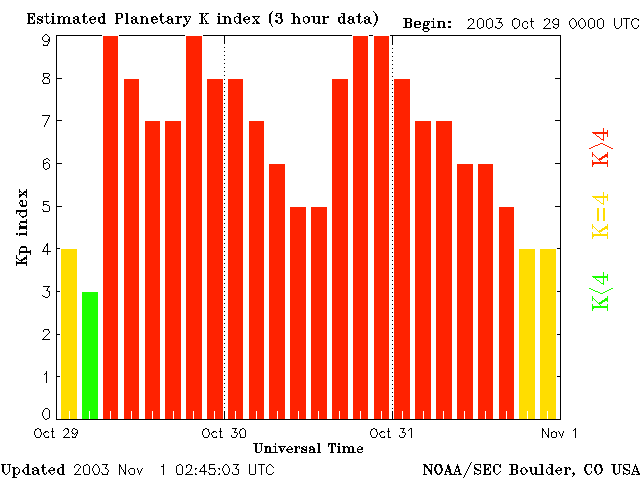
Tabela poniżej pokazuje wartości używane, by zaokrąglić 3-godzinny planetarny indeks Kp, sięgający od Kp=0 do Kp=9. Również wskazane, jaką skalę G ukazuje dana wartość Kp, przybliżona granica owalu zorzy o północy w lokalnej dla danej wartości Kp, opis aktywności zorzy dla specyficznej wartości Kp oraz szacunkowe dane które dotyczą częstotliwości występowania danej wartości Kp w ciągu jednego cyklu słonecznego.
| indeks kp | Skala G | Szerokość geomagnetyczna | Aktywność zorzowa | Średnia częstotliwość |
|---|---|---|---|---|
| 0 | G0 | 66° lub wyższy | Cisza | |
| 1 | G0 | 64.5° | Cisza | |
| 2 | G0 | 62.4° | Cisza | |
| 3 | G0 | 60.4° | Niespokojny | |
| 4 | G0 | 58.3° | Aktywne | |
| 5 | G1 | 56.3° | Słaba burza | 1700 na cykl (900 dni na cykl) |
| 6 | G2 | 54.2° | Średni burzy | 600 na cykl (360 dni na cykl) |
| 7 | G3 | 52.2° | Silna burza | 200 na cykl (130 dni na cykl) |
| 8 | G4 | 50.1° | Bardzo silna burza | 100 na cykl (60 dni na cykl) |
| 9 | G5 | 48° lub niższy | Ekstremalne burzy | 4 na cykl (4 dni na cykl) |
The Kp-index gauge on the front page of this website uses the Estimated Planetary K-index which is provided by the NOAA SWPC. It is updated after every 3-hour period with the most recent reported Kp-value or during times of high auroral activity it is updated at the same time as the NOAA SWPC issues an alert that a certain threshold has been reached.
The finalized Kp-index
The finalized Kp-index comes from the GFZ in Potsdam, Germany and is updated twice a month. These are the official, finalized Kp-values for scientific research and archive purposes. The finalized Kp-index is slightly different then the preliminary Kp-index. Unlike the preliminary Kp-index, the finalized Kp data is expressed in a scale of thirds and has 28 values were the preliminary Kp-index only has 10 values.
The U.S. Air Force Weather Agency Wing Kp model also uses this scale with 28 values but support for this model was discontinued in June 2018 by the NOAA SWPC and it can no longer be found on our website.
The table below shows the values that both the finalized Kp-index and the Wing Kp-index work with. This Kp-index works with 28 values instead of 10 values that the preliminary Kp-index works with.
| indeks kp | Kp w liczbach dziesiętnych | Skala G | Aktywność zorzowa |
|---|---|---|---|
| 0o | 0,00 | G0 | Cisza |
| 0+ | 0,33 | G0 | Cisza |
| 1- | 0,67 | G0 | Cisza |
| 1o | 1,00 | G0 | Cisza |
| 1+ | 1,33 | G0 | Cisza |
| 2- | 1,67 | G0 | Cisza |
| 2o | 2,00 | G0 | Cisza |
| 2+ | 2,33 | G0 | Cisza |
| 3- | 2,67 | G0 | Niespokojny |
| 3o | 3,00 | G0 | Niespokojny |
| 3+ | 3,33 | G0 | Niespokojny |
| 4- | 3,67 | G0 | Aktywne |
| 4o | 4,00 | G0 | Aktywne |
| 4+ | 4,33 | G0 | Aktywne |
| 5- | 4,67 | G1 | Słaba burza |
| 5o | 5,00 | G1 | Słaba burza |
| 5+ | 5,33 | G1 | Słaba burza |
| 6- | 5,67 | G2 | Średni burzy |
| 6o | 6,00 | G2 | Średni burzy |
| 6+ | 6,33 | G2 | Średni burzy |
| 7- | 6,67 | G3 | Silna burza |
| 7o | 7,00 | G3 | Silna burza |
| 7+ | 7,33 | G3 | Silna burza |
| 8- | 7,67 | G4 | Bardzo silna burza |
| 8o | 8,00 | G4 | Bardzo silna burza |
| 8+ | 8,33 | G4 | Bardzo silna burza |
| 9- | 8,67 | G4 | Bardzo silna burza |
| 9o | 9,00 | G5 | Ekstremalne burzy |
Skala G
NOAA uses a five-level system called the G-scale, to indicate the severity of both observed and predicted geomagnetic activity. This scale is used to give a quick indication of the severity of a geomagnetic storm. This scale ranges from G1 to G5, with G1 being the lowest level and G5 being the highest level. Conditions below storm level are labelled as G0 but this value is not commonly used. Every G-level has a certain Kp-value associated with it. This ranges from G1 for a Kp-value of 5 to G5 for a Kp-value of 9. We often use this G-scale on the website so it’s wise to familiarize yourself with it. The table below will help you with that.
| Skala G | indeks kp | Aktywność zorzowa | Średnia częstotliwość |
|---|---|---|---|
| G0 | 4 i niższe | Poniżej poziomu burzy | |
| G1 | 5 | Słaba burza | 1700 na cykl (900 dni na cykl) |
| G2 | 6 | Średni burzy | 600 na cykl (360 dni na cykl) |
| G3 | 7 | Silna burza | 200 na cykl (130 dni na cykl) |
| G4 | 8 | Bardzo silna burza | 100 na cykl (60 dni na cykl) |
| G5 | 9 | Ekstremalne burzy | 4 na cykl (4 dni na cykl) |
Przy jakich wartościach wskaźnika Kp mogę zaobserwować zorzę w swojej lokalizacji?
Any location on the high latitudes will be able to see auroras with a Kp of 4. For any location on the middle latitudes a Kp-value of 7 is needed. The low latitudes need Kp-values of 8 or 9. The Kp-value that you need of course depends on where you are located on Earth. We made a handy list which is a good guide for what Kp-value you need for any given location within the reach of the auroral ovals.
Ważne! Pamiętaj, że poniższe lokalizacje dają realną szansę na zobaczenie zorzy polarnej dla podanego indeksu Kp, pod warunkiem dobrych lokalnych warunków obserwacji. Obejmuje to między innymi: dobrą widoczność północnego lub południowego horyzontu, brak chmur, brak zanieczyszczenia światłem i całkowitą ciemność.
| indeks kp | Widoczne z |
|---|---|
| 0 | Ameryka Północna: Europa: |
| 1 | Ameryka Północna: Europa: Azja: |
| 2 | Ameryka Północna: Europa: |
| 3 | Ameryka Północna: Europa: |
| 4 | Ameryka Północna: Europa: Azja: Półkula południowa: |
| 5 | Ameryka Północna: Europa: Półkula południowa: |
| 6 | Ameryka Północna: Europa: Półkula południowa: Azja: |
| 7 | Ameryka Północna: Europa: Azja: Półkula południowa: |
| 8 | Ameryka Północna: Europa: Azja: Półkula południowa: |
| 9 | Ameryka Północna: Europa: Azja: Półkula południowa: |
Najnowsze wiadomości
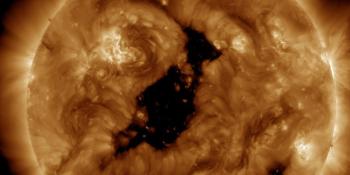
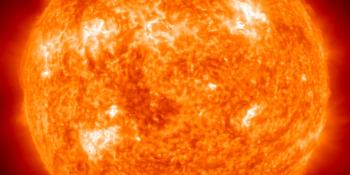
Coronal hole faces Earth
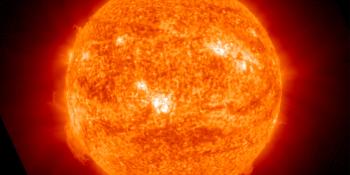
X1.5 solar flare
M2.7 solar flare, CME arrival possible
Najnowsze wiadomości z forum
Wesprzyj SpaceWeatherLive.com!
Wiele ludzi odwiedza stronę SpaceWeatherLive, aby śledzić aktywność słońca lub czy jest szansa na zobaczenie zorzy, ale większy ruch powoduje większe koszty utrzymania serwerów. Jeżeli podoba ci się strona SpaceWeatherLive i chciałbyś/chciałabyś wesprzeć ten projekt to możesz kupić subskrypcje aby uzyskać dostęp do strony bez reklam lub kupić darowiznę. Dzięki waszej pomocy, pomagacie utrzymać serwery SpaceWeatherLive!


Fakty na temat pogody kosmicznej
| Ostatnie rozbłyski klasy X | 2026/06/03 | X1.0 |
| Ostatnie rozbłyski klasy M | 2026/06/03 | M7.9 |
| Ostatnia burza geomagnetyczna | 2026/05/16 | Kp6- (G2) |
| Dni bez plam słonecznych | |
|---|---|
| Ostatnie 365 dni | 3 Dni |
| 2026 | 3 Dni (2%) |
| Ostatni dzień bez plamy słonecznej | 2026/02/24 |
| Średnia miesięczna liczba plam słonecznych | |
|---|---|
| kwietnia 2026 | 79.3 -6.6 |
| czerwca 2026 | 139.5 +60.2 |
| Ostatnie 30 dni | 97.8 +5.2 |