X1.7 solar flare
sunnuntaina, 9. marraskuuta 2025 19.55 UTC
The anticipated coronal mass ejection (CME) impacts did not really materialize as expected with only one true clear impact back on Friday. Are we in residual CME effects? Possibly but geomagnetic conditions are currently a far cry from the expected moderate to strong storm conditions.
X1.7 solar flare with coronal mass ejection
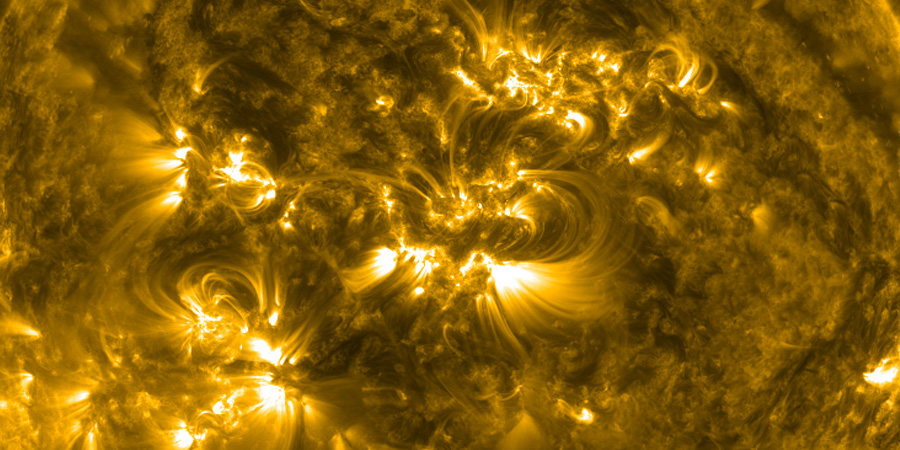
Sunspot region 4274 has been relativity quiet but that changed this morning around 07:30 as it erupted with an X1.7 (R3-strong) solar flare. The sunspot region keeps its complex Beta-Gamma-Delta magnetic layout which means it remains capable of M and X-class solar flares as it starts to rotate towards the west limb.
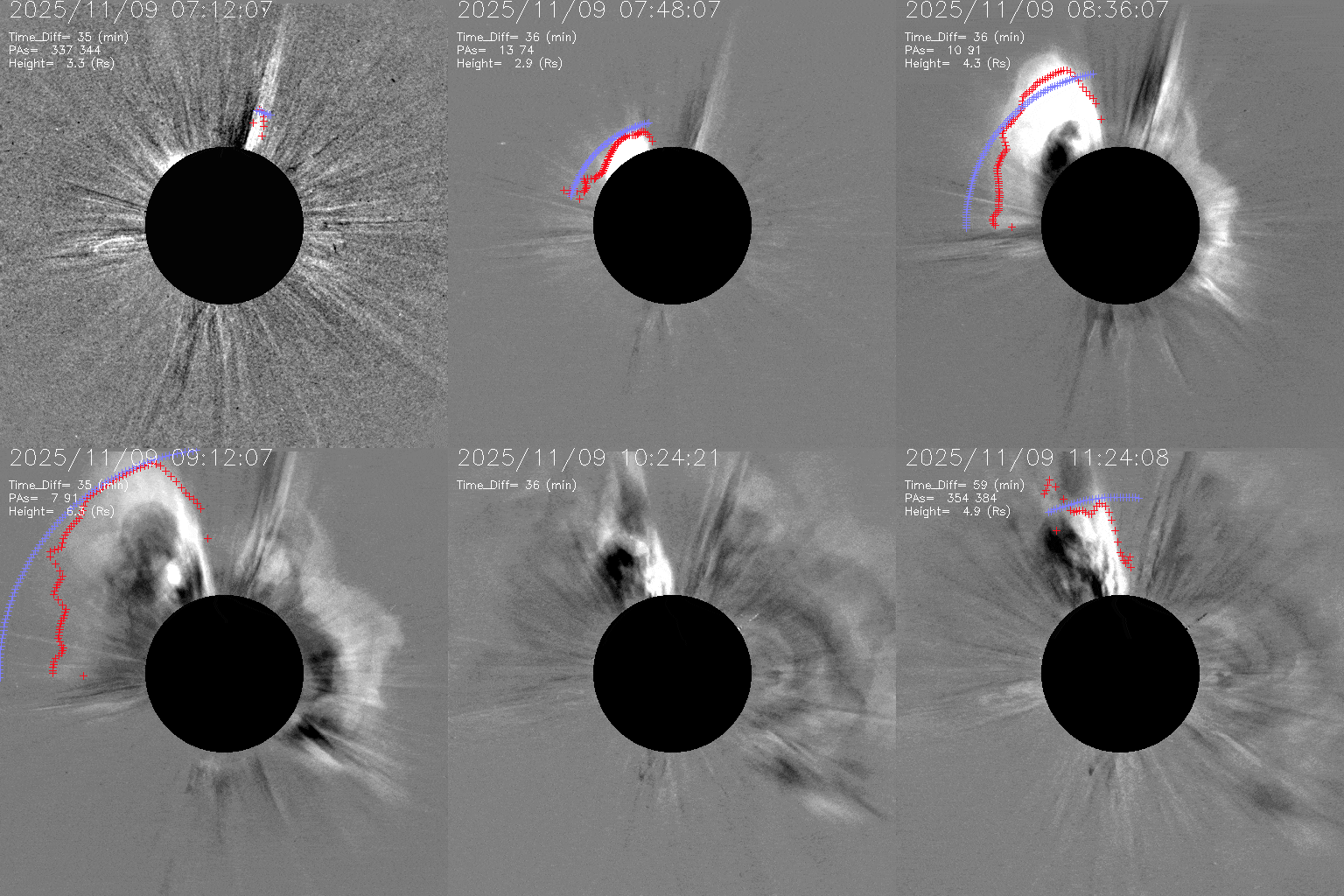
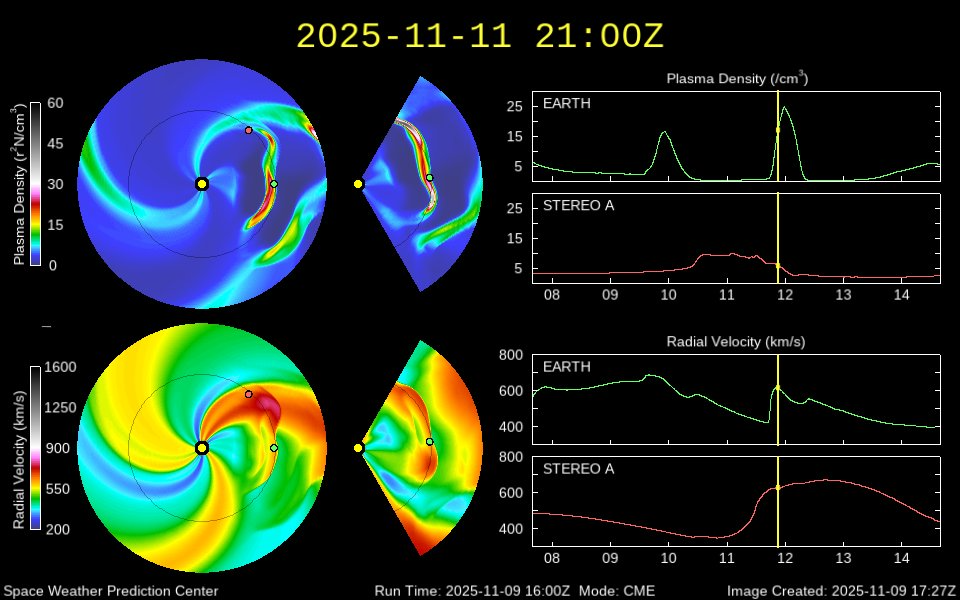
A halo coronal mass ejection was detected following the eruption which likely has an earth-directed component. NOAA's ENLIL solar wind model expects this coronal mass ejection to arrive late on Tuesday, 11 November and issued a Moderate G2 geomagnetic storm watch for both Tuesday the 11th and Wednesday the 12th of November.
Thank you for reading this article! Did you have any trouble with the technical terms used in this article? Our help section is the place to be where you can find in-depth articles, a FAQ and a list with common abbreviations. Still puzzled? Just post on our forum where we will help you the best we can!
Uusimmat uutiset
M8.1 solar flare with earth-directed CME
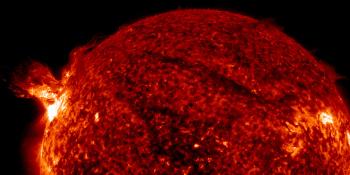
X1.9 solar flare, Coronal hole faces Earth
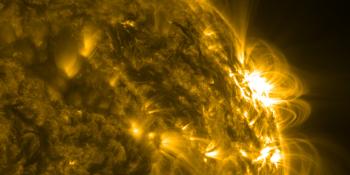
X4.0 solar flare
Viimeisimmät foorumiviestit
Tue SpaceWeatherLive.com -sivustoa!
Monet ihmiset tulevat SpaceWeatherLiveen seuraamaan Auringon toimintaa tai olisiko mahdollisuus nähdä revontulia, mutta suuremman liikenteen myötä palvelimien ylläpitokustannukset kasvavat. Jos pidät SpaceWeatherLivestä ja haluat tukea hanketta, voit tilata mainoksettomat sivustot tai harkita lahjoitusta. Sinun avullasi voimme pitää SpaceWeatherLiven verkossa!


Avaruussäätiedot
| Viimeisin X-flare | 08/12/2025 | X1.1 |
| Viimeisin M-flare | 21/12/2025 | M1.3 |
| Viimeisin geomagneettinenmyrsky | 21/12/2025 | Kp5 (G1) |
| Pilkuttomat vuorokaudet | |
|---|---|
| Viimeisin auringonpilkuton vuorokausi | 08/06/2022 |
| Kuukausittainen auringonpilkkuluku | |
|---|---|
| marraskuuta 2025 | 91.8 -22.8 |
| joulukuuta 2025 | 116.9 +25.1 |
| Viimeiset 30 päivää | 109 +22.2 |